Overspending on a machine that’s too big is just as costly as falling behind with one that’s too small. At M Cross C Equipment, LLC, we believe matching your excavator’s tonnage to your specific project load is the most effective way to protect your profit margins. This guide provides the technical specs you need to select a machine that balances power with operational efficiency.
Assessing Your Project Load
Before selecting an excavator, thoroughly assess the demands of your project. Consider these key factors:
Project Scope: Is it a small residential job, a large commercial development, or something in between? The scale of your project is a primary determinant of the excavator size you'll need.
Material Type: Are you digging through soft soil, dense clay, or solid rock? Harder materials require more powerful excavators.
Digging Depth and Reach: How deep and wide do you need to dig? Different excavator sizes offer varying digging depths and reach capabilities.
Lifting Requirements: Will you need to lift and move heavy objects like pipes or concrete blocks? Consider the weight and size of the materials you'll be lifting.
Job Site Conditions: Is the job site confined or spacious? Limited spaces require smaller, more maneuverable excavators.
Mini Excavators: Compact Powerhouses
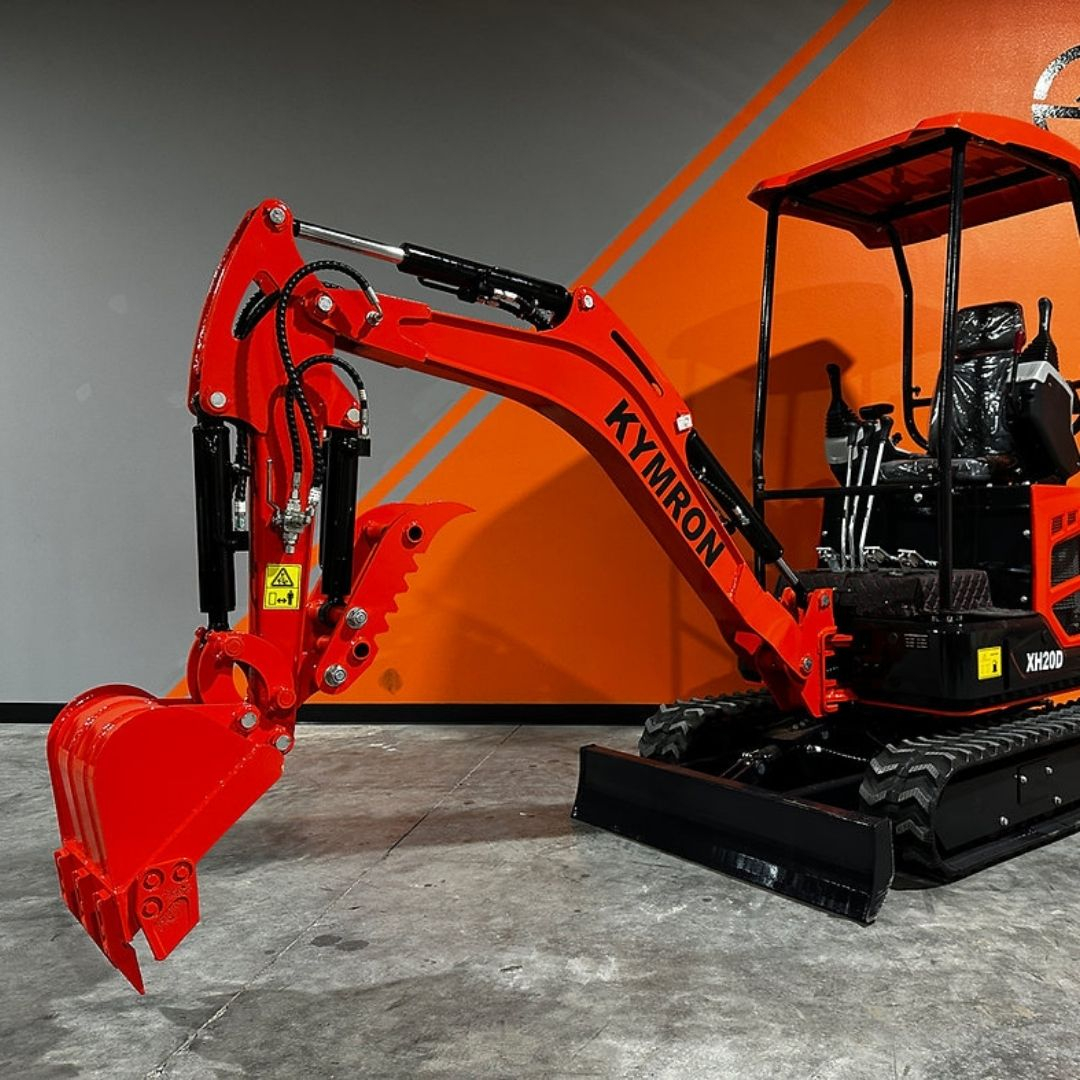
Mini excavators are ideal for smaller projects and confined spaces. Their compact size allows them to navigate tight areas, making them perfect for:
Landscaping
Small-scale demolition
Indoor projects
Trenching for utilities
Backyard work
Despite their small size, mini excavators offer impressive digging power and versatility. They can be easily transported and operated, making them a popular choice for homeowners, landscapers, and contractors alike.
Standard Excavators: Versatile Workhorses
Standard excavators are larger and more powerful than mini excavators, making them suitable for a wider range of projects. They offer greater digging depth, reach, and lifting capacity, making them ideal for:
Construction
Road work
Demolition
Large-scale landscaping
Heavy lifting
Standard excavators come in various sizes, allowing you to choose the right machine for your specific needs. They are a versatile choice for contractors and construction companies.
Matching Excavator Size to Project Type
Here's a general guideline for matching excavator size to common project types:
Small Residential Projects (e.g., landscaping, small additions): Mini excavators (1-3 tons)
Medium-Sized Projects (e.g., trenching, utility work): Compact excavators (3-6 tons)
Large Construction Projects (e.g., building foundations, road work): Standard excavators (6+ tons)
Kymron Equipment: Quality and Affordability
When selecting an excavator, it's important to consider the quality and reliability of the machine. Kymron equipment is known for its durable construction, world-class engines, and advanced hydraulic systems. Whether you need a mini excavator for a small landscaping project or a larger excavator for a construction site, Kymron offers a range of options to meet your needs. Kymron skid steers offer similar versatility to excavators.
Selecting the right excavator size is critical for project success. By carefully assessing your project load and considering the factors outlined in this guide, you can choose the optimal excavator for your specific needs. Remember to prioritize quality and reliability when making your selection. At M Cross C Equipment, LLC, we're proud to be your Kymron dealership in the Western United States, offering a wide range of mini excavators and other Kymron equipment at competitive prices. Contact us today to learn more about our inventory and how we can help you find the perfect machine for your next project. And be sure to ask about our available warranties!